
Diwali is the season of lights, family visits and boxes of sweets arriving at the door. Laddoos, kaju katli, chikki, jalebi and gulab jamun are part of the celebration, and nobody should have to skip them.
But the festival week is also when we see a rise in toothaches, broken fillings and chipped teeth at our clinic in Electronic City. The good news: a few simple habits let your whole family enjoy the sweets and keep their teeth healthy.
Why festive sweets are hard on teeth
Tooth decay is caused by bacteria in the mouth feeding on sugar and producing acid. That acid softens tooth enamel. Each time someone eats something sweet, the mouth stays acidic for about 20 to 30 minutes.
So the problem is not only how much sugar you eat, but how often your teeth are exposed to it. A plate of sweets eaten after lunch does far less harm than the same sweets nibbled one by one through the whole afternoon.
Some festive favourites are especially tricky:
- Sticky sweets such as chikki, toffees and some barfis cling to the grooves of teeth for a long time.
- Syrupy sweets such as gulab jamun and jalebi coat the teeth in sugar.
- Hard sweets such as boiled candies and brittle chikki can crack teeth or old fillings.
- Sugary drinks such as sweetened milk, juices and colas bathe the teeth in sugar with every sip.
Seven simple habits for a tooth-friendly Diwali
- Eat sweets with meals, not between them. Saliva flow is higher at mealtimes and helps wash sugar away.
- Set a “sweets time” for children instead of an open box all day.
- Rinse with water after eating sweets, especially when brushing is not possible straight away.
- Wait 30 minutes before brushing after very sweet or acidic food, so you don’t scrub softened enamel.
- Brush twice a day with fluoride toothpaste, and never skip the bedtime brush, even on a late festival night.
- Don’t crack nuts or hard candies with your teeth. Fillings and crowns are the first to break.
- Offer tooth-friendlier snacks too, such as roasted makhana, nuts for older children, cheese, fruit and plain milk.
The single most useful rule for children: sweets at one sitting, then water, then brush before bed.
Special care for young children
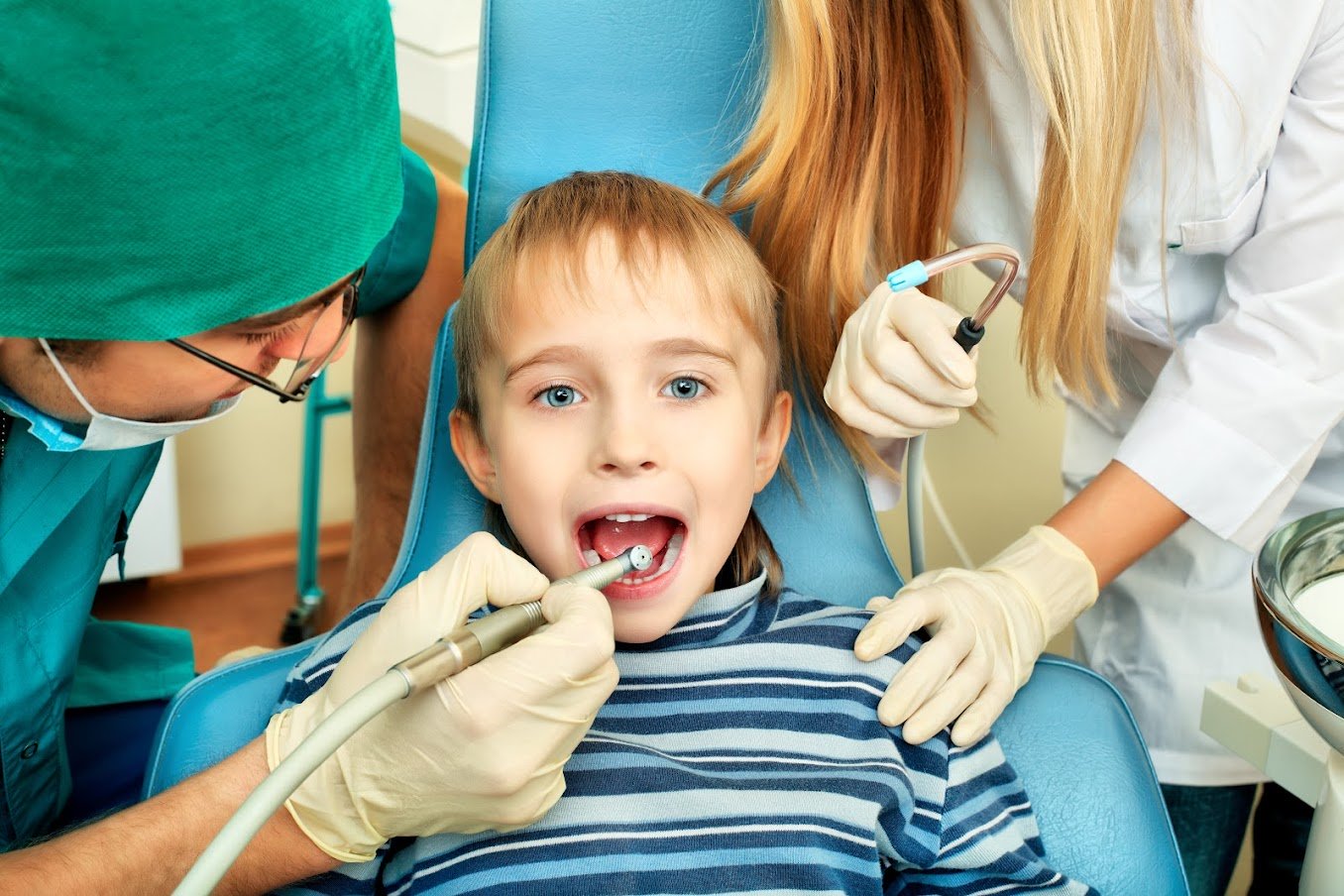
Baby teeth have thinner enamel than adult teeth, so they decay faster. Cavities in baby teeth can cause pain, infection and problems for the adult teeth growing underneath.
- For children under three, use a smear of fluoride toothpaste the size of a grain of rice. From three to six, use a pea-sized amount.
- Brush your child’s teeth yourself, or supervise, until they are about seven or eight.
- Don’t let toddlers fall asleep with a bottle of milk or a sweet in their mouth.
- Look out for chalky white spots or brown patches on the teeth. These are early signs of decay.
If your child has never been to a dentist, the festive break is a good time to plan their first dental visit.
Festive habits for adults and elders
Adults with crowns, bridges or dentures need a little extra care during the festival:
- Braces or aligners: avoid hard and sticky sweets that can break brackets. Aligner wearers should remove their trays before eating sweets and brush or rinse before putting them back.
- Dentures: sticky sweets can loosen dentures. Cut sweets into small pieces and clean the denture after eating.
- Diabetes: if you or an elderly parent has diabetes, gums are more prone to infection. Follow your doctor’s advice on sweets and keep up regular dental check-ups.
Dental emergencies during Diwali
Festive weeks bring falls, sports injuries and the occasional firecracker accident. Here is what to do:
- Chipped or broken tooth: rinse with water, save any broken piece, and call a dentist. A cold compress helps with swelling.
- Knocked-out adult tooth: pick it up by the crown (the white part), not the root. Rinse it gently, and if possible place it back in the socket or keep it in milk. See a dentist within the hour, because speed matters.
- Lost filling or crown: keep the crown safe and avoid chewing on that side until it is fixed.
- Burns or injuries to the face or mouth from firecrackers: go to a hospital emergency department first.
Planning a check-up after the festival
Many families in Neotown, Electronic City and Hebbagodi book a check-up and cleaning once the festive rush is over. It is a simple way to catch small cavities before they turn into toothaches. Find us from Hebbagodi or Neotown & Thirupalya.
Frequently asked questions
Which Indian sweets are worst for teeth?
Sticky and chewy sweets such as chikki, toffees and some barfis cause the most trouble, because they stay on the teeth longer. Hard sweets can also crack teeth and fillings.
Should children brush right after eating sweets?
Rinsing with water straight away is ideal. Brushing about 30 minutes later is best, and brushing before bed with fluoride toothpaste is the most important habit of all.
Is the clinic open during Diwali?
Please call +91 72041 44220 to check our festival-week timings and for urgent dental problems.
Wishing you and your family a happy and healthy Diwali! Book a post-festival check-up or call +91 72041 44220.