
“Is my child old enough for braces?” and “Am I too old for braces?” are two questions we hear almost every week. The short answer: there is a best time to check, a common time to treat, and no upper age limit.
In this guide, orthodontist Dr. Aparna Rajan explains what the right age for braces looks like at each stage of life.
The short answer
- Age 7: the ideal time for a first orthodontic check-up.
- Ages 7 to 10: early (interceptive) treatment, only if a specific problem needs it.
- Ages 10 to 14: the most common time to start braces or aligners.
- Teens and adults: braces and aligners work at any age, as long as teeth and gums are healthy.
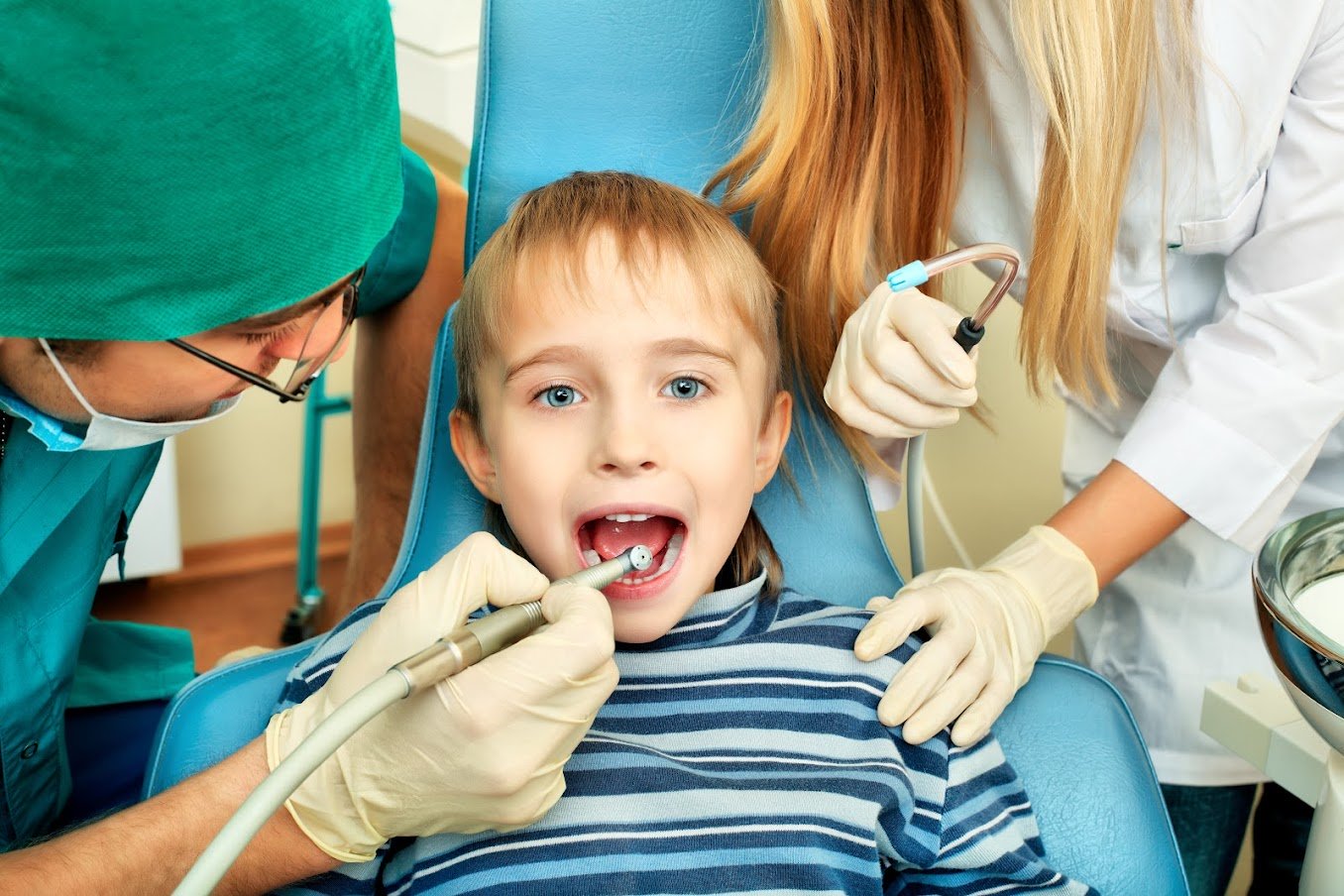
Why should children see an orthodontist by age 7?
Orthodontic associations, including the American Association of Orthodontists, recommend that every child has an orthodontic check-up by age 7. This does not mean your child will need braces at 7. Most do not.
By this age, the first permanent molars and front teeth have usually come in, so an orthodontist can spot developing problems early, such as:
- A crossbite or an underbite
- Severe crowding, or too little space for adult teeth
- Protruding front teeth that are at risk of injury
- A narrow upper jaw
- Habits like thumb-sucking, tongue thrust or mouth breathing that affect jaw growth
Finding these early often means simpler treatment later. In most cases, we simply monitor growth and review once a year.
Early (interceptive) treatment: ages 7 to 10
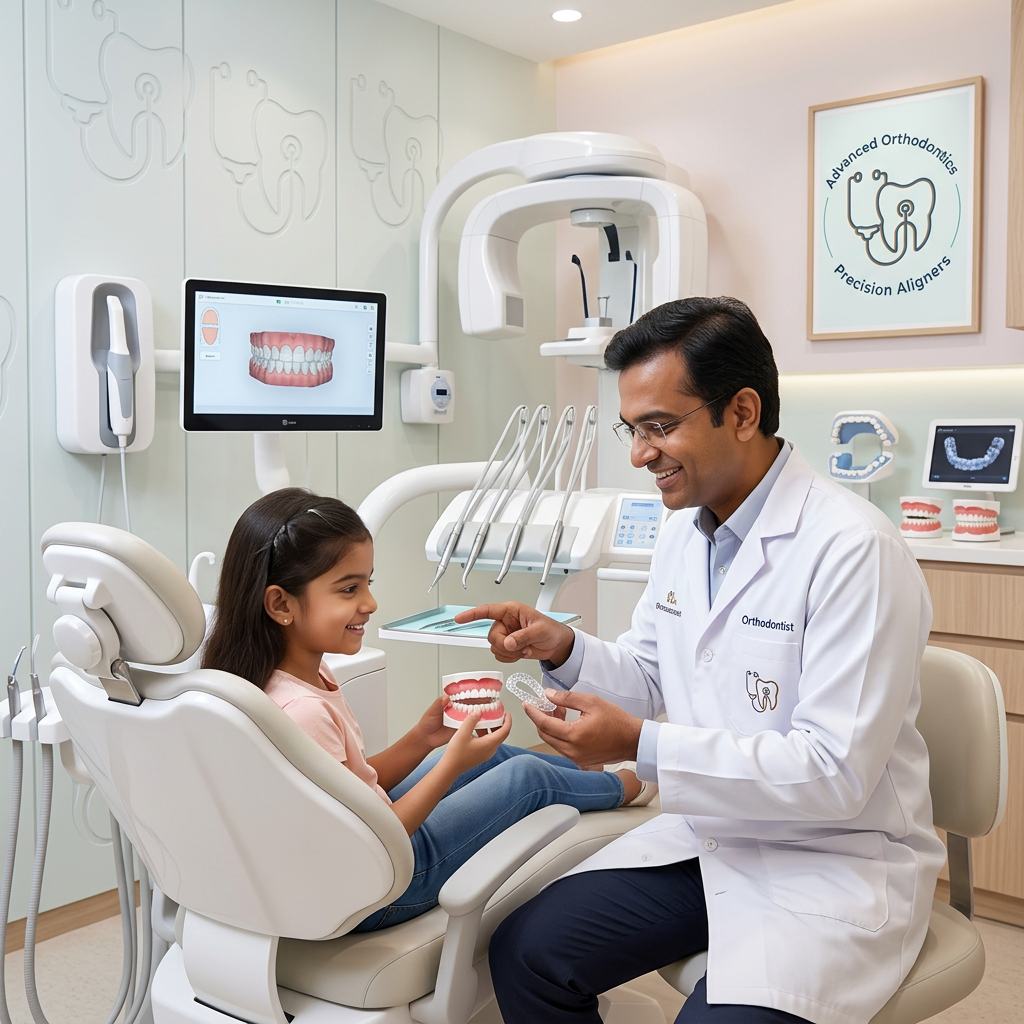
Some problems are easier to correct while the jaws are still growing. In these cases, a short phase of early treatment can guide jaw growth, create space for incoming teeth, or correct a harmful habit. This might involve an expander, a myofunctional appliance or a simple removable plate.
Early treatment does not always replace braces later, but it can make the second phase shorter and simpler, and it sometimes avoids the need for extractions. Our pediatric dentistry team works alongside Dr. Aparna to keep young patients comfortable throughout.
Ages 10 to 14: the most common age for braces
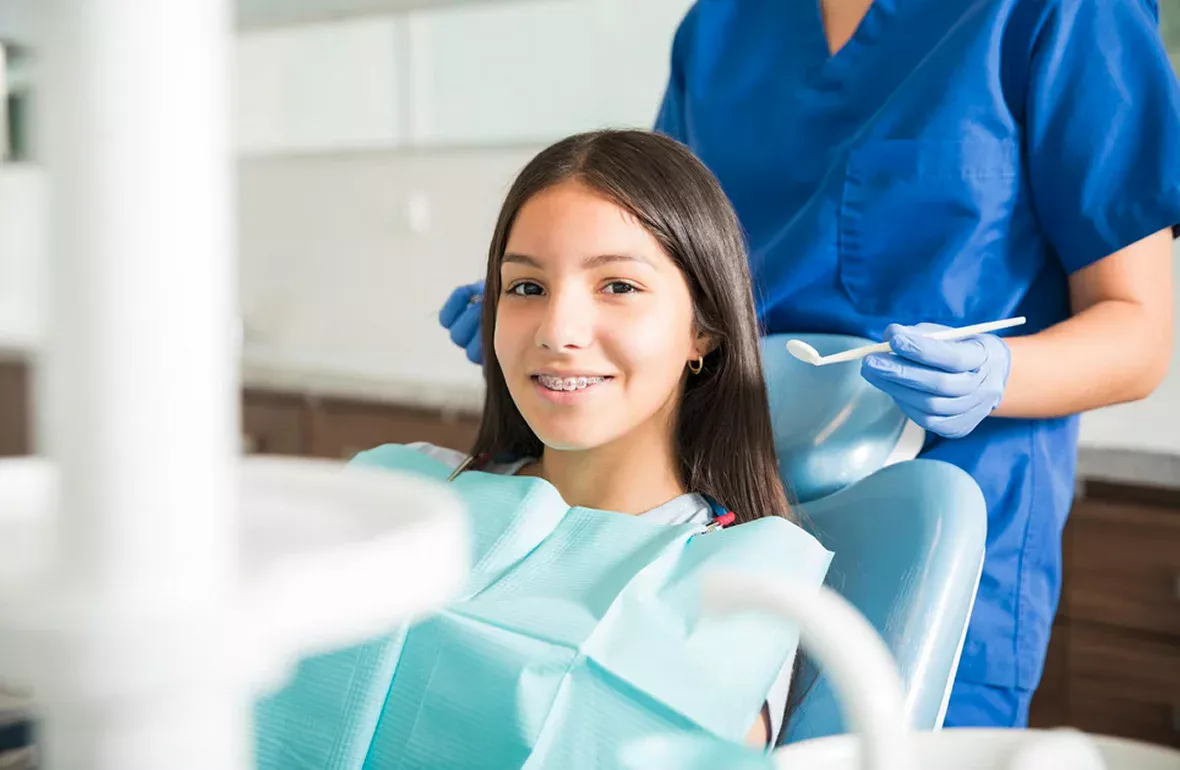
For most children, the best age for braces is between 10 and 14 years. By then, most or all of the baby teeth have fallen out and the permanent teeth are coming through, but the jaw is still growing. That combination lets teeth move efficiently and makes bite correction more predictable.
At this age, the options include:
- Metal braces: reliable and cost-effective, and suit almost every case.
- Ceramic braces: tooth-coloured brackets that are less noticeable.
- Clear aligners for teens: removable and nearly invisible, ideal for responsible teens who will wear them 20 to 22 hours a day.
Not sure which is right for your child? Read our comparison of clear aligners vs braces for teens.
Every child develops at a different pace. Your child’s dental age (which teeth have come in) matters more than their birthday.
Is there an age limit for braces?
No. There is no upper age limit for braces. Teeth can be moved at any age as long as the gums and supporting bone are healthy. A growing number of our patients in Electronic City are adults in their 20s, 30s, 40s and beyond.
Adults choose orthodontic treatment to:
- Fix crowding that has worsened over the years
- Correct teeth that moved after braces in childhood
- Make teeth easier to clean and reduce the risk of gum disease
- Prepare the mouth for implants, crowns or bridges
- Feel more confident in their smile at work and in photos
Adult treatment can take a little longer than a teen’s, because adult bone is denser. Many working professionals prefer clear aligners such as Invisalign® or Spark™, or ceramic braces, because they are discreet. Learn more about invisible braces and clear aligners.
Signs your child (or you) may need an orthodontic check-up
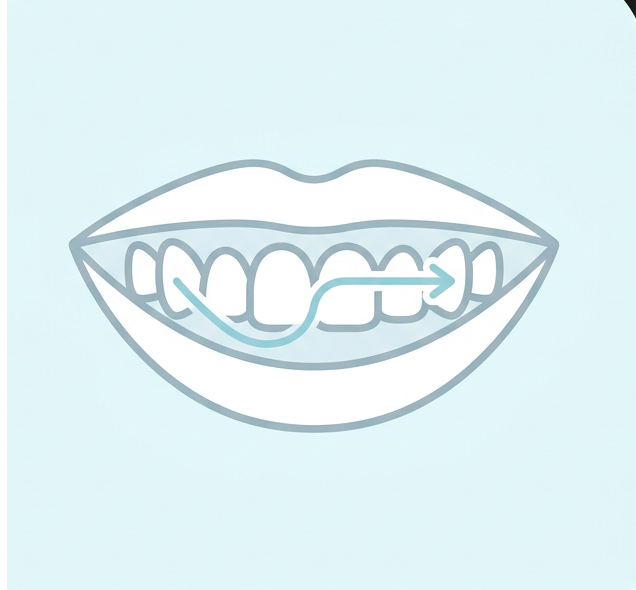
- Crowded, overlapping or crooked teeth
- Large gaps between teeth
- Upper front teeth that stick out
- Lower teeth that sit in front of the upper teeth
- Difficulty biting or chewing
- Baby teeth lost very early or very late
- Jaw clicking, or a jaw that shifts when biting
- Ongoing thumb-sucking after age 5 or 6
If you notice any of these, a consultation is the easiest way to find out whether treatment is needed now, later or not at all. See also: when should you book an orthodontic consultation?
Orthodontic care for families in Electronic City
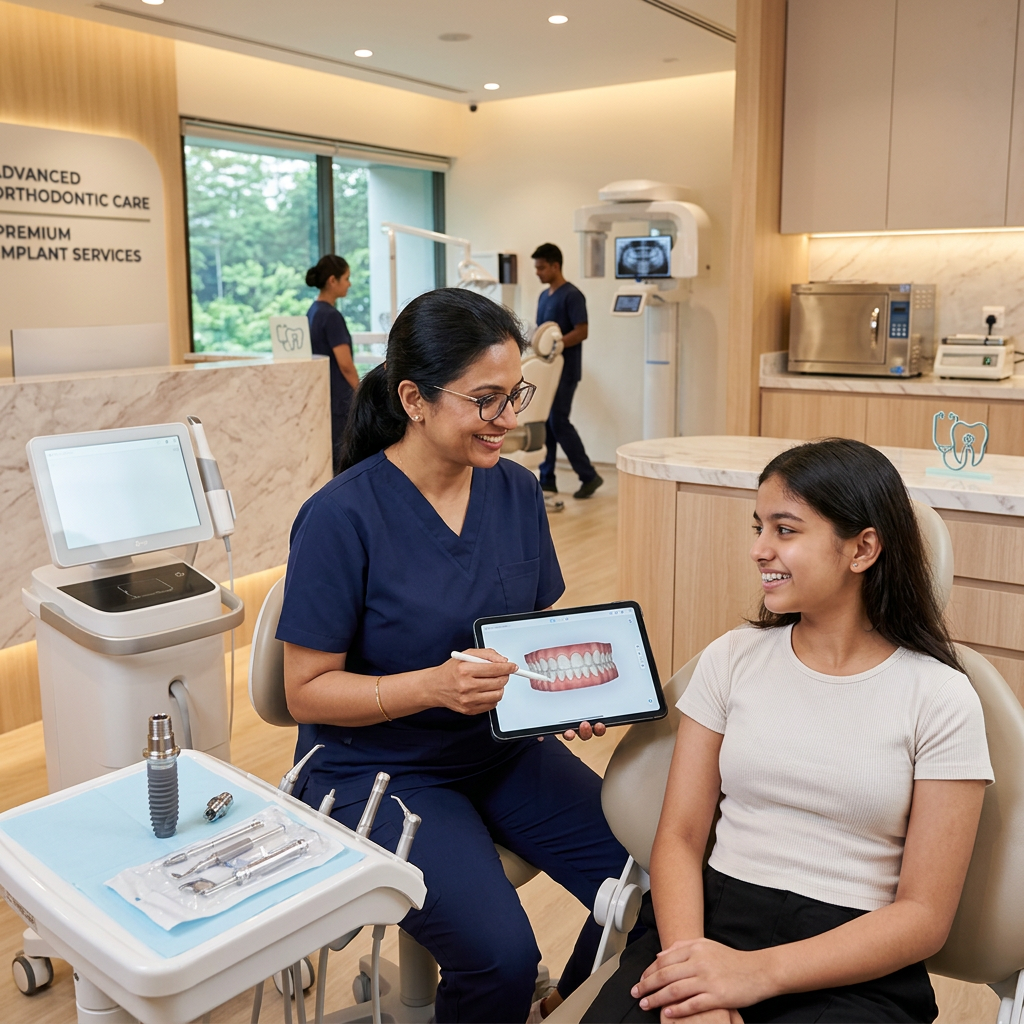
At Smile Masters Dental & Orthodontic Centre in Neotown, Electronic City, Dr. Aparna Rajan treats children, teens and adults from Electronic City, Neeladri Nagar, Bommasandra, Hebbagodi and Jigani. Your child’s first visit is relaxed and simple: an examination, a conversation, and a clear plan, even if the plan is just “let’s check again next year.” Explore our orthodontics services or find us from Neotown & Thirupalya.
Frequently asked questions
What is the best age for braces for kids?
Most children start braces between 10 and 14, once most of their permanent teeth have come in. An orthodontic check-up by age 7 helps decide whether earlier treatment is needed.
Can a 7-year-old get braces?
Full braces are rare at 7, but some children benefit from early treatment with an expander or appliance to correct a crossbite, a narrow jaw or a habit. Many simply need monitoring.
Am I too old for braces at 30 or 40?
No. Adults can have braces or clear aligners at any age, provided their teeth and gums are healthy. Treatment may take slightly longer than for teenagers.
How long does braces treatment take?
Most treatments take between 12 and 24 months, depending on how much correction is needed and how consistently the patient follows instructions.
Wondering whether your child is ready for braces? Book an orthodontic consultation or call +91 72041 44220.